Welcome to Hallmark College of Nursing Peshawar
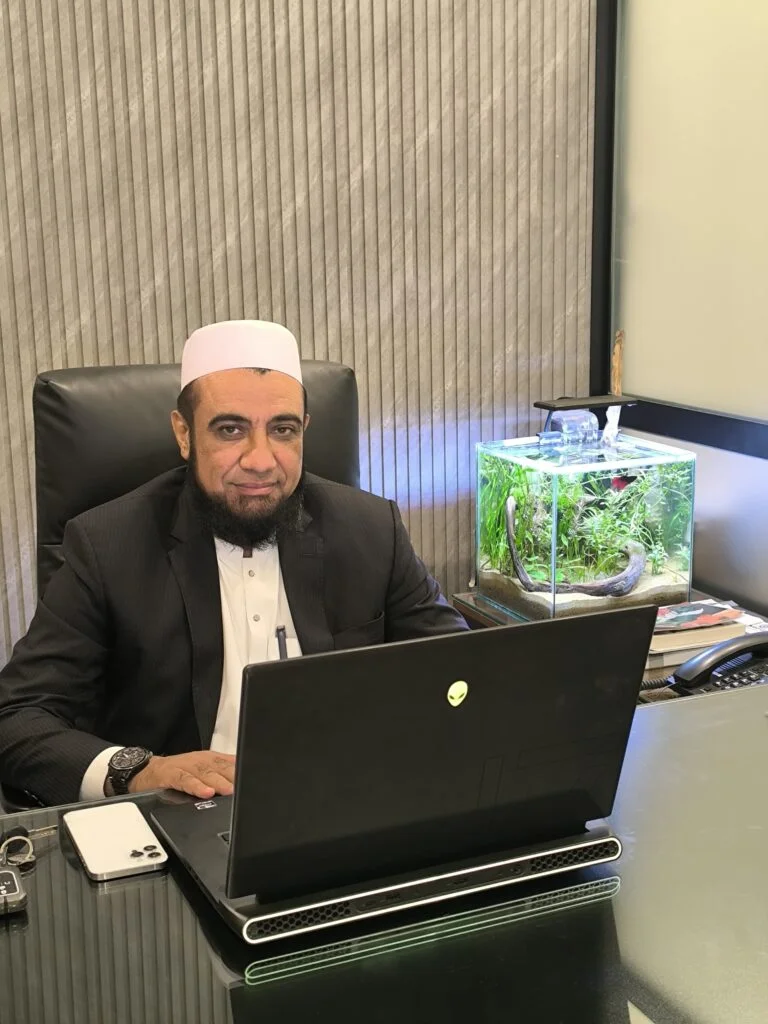
Managing Director’s Message
CEO Obaid Ur Rehman
Welcome to Hallmark College of Nursing & Health Sciences.
Our institution is committed to preparing highly skilled, professional, and compassionate healthcare providers. We believe in quality education, modern training, and strong ethical values. At Hallmark, students are guided by experienced faculty, supported with modern labs, and provided opportunities to grow academically and professionally.
We welcome all students to join our mission of serving the community and building a successful career in healthcare.
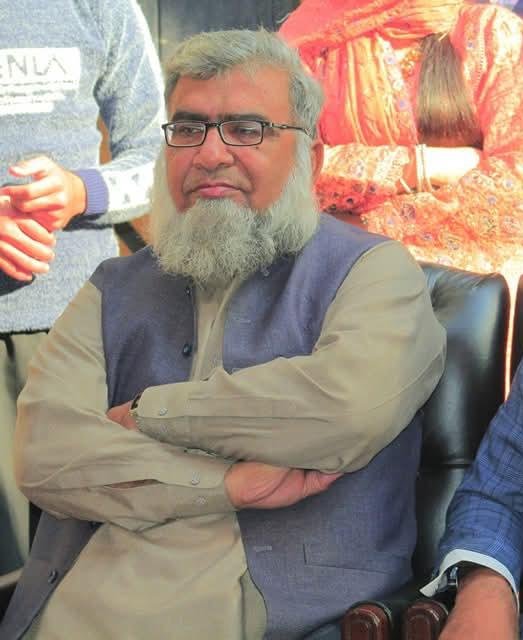
Principal’s Message
| Mr. Dr.Zia Ul Habib |
It is a great privilege to lead Hallmark College of Nursing. Our aim is to provide an educational environment where students can learn, grow, and excel. We focus on discipline, professional development, and hands-on clinical training.
We are committed to producing competent graduates who can meet national and international healthcare standards.
Mission
To impart evidence based research oriented health professional education in order to provide best possible patient care and inculcate the values of mutual respect, ethical practice of healthcare and social accountability.
Vision
This institute will be highly recognized and accredited center of excellence in nursing education, using evidence-based training techniques for development of highly competent nursing professionals, who will learn lifelong experiential and socially accountability.
Programs / Courses
Nursing Programs

BS Nursing (Generic – 4 Years)
BS Nursing is a 4-year professional degree program designed to prepare students as skilled registered nurses capable of delivering high-quality patient care in hospitals and community settings. The program focuses on clinical skills, nursing care, leadership, and evidence-based practice.
What Students Learn:
- Fundamentals of Nursing
- Medical–Surgical Nursing
- Pediatric & Psychiatric Nursing
- Community Health Nursing
- Pharmacology & Pathophysiology
- Research, leadership & management
- Clinical rotations in major departments
Eligibility:
- ✔ FSc Pre-Medical
- ✔ As per national admission criteria
- ✔ Age limit depends on regulatory bodies
Career Opportunities:
- ✔ Registered Nurse (RN)
- ✔ Hospital & clinical departments
- ✔ Community health programs
- ✔ Emergency & critical care units
- ✔ Nursing instructor / teaching
- ✔ National & international healthcare jobs

LHV – Lady Health Visitor (2 Years)
This program trains students in maternal & child health, midwifery skills, vaccination, and community healthcare services. Graduates can work in basic health units, community clinics, and NGOs.

CMW – Community Midwife (2 Years)
A specialized program focusing on antenatal care, delivery assistance, newborn care, hygiene practices, and maternity health services.
Allied Health Programs

BS Dental Technology (4 Years)
BS Dental Technology is a 4-year degree program focused on the design, fabrication, and maintenance of dental appliances. Students are trained to work alongside dentists and orthodontists.
What Students Learn:
- Dental anatomy & oral health
- Dental materials & instruments
- Fabrication of dentures, crowns, bridges
- Orthodontic appliances
- Dental laboratory techniques
- Infection control & dental ethics
Career Opportunities:
- Dental Technologist
- ✔ Dental Laboratory Technician
- ✔ Orthodontic Appliance Specialist
- ✔ Work in dental labs, hospitals, and clinics
- ✔ Teaching & research roles
BS Radiology Technology (4 Years)
BS Radiology is a 4-year degree program that trains students in medical imaging, including X-ray, CT scan, MRI, ultrasound, fluoroscopy, and other diagnostic procedures.
What Students Learn:
- Anatomy & physiology
- Radiographic techniques
- Imaging physics
- Patient positioning
- Radiation safety
- Operation of modern imaging equipment
Graduates can work in:
- ✔ Hospitals
- ✔ Diagnostic centers
- ✔ Imaging departments
- ✔ Research & teaching institutions

BS Anesthesia Technology (4 Years)
BS Anesthesia is a 4-year degree program that trains students to assist anesthesiologists during surgeries and medical procedures. The program focuses on patient monitoring, anesthesia equipment handling, and operation theatre assistance.
What Students Learn:
- Basics of anesthesia & pharmacology
- Operation theatre (OT) protocols
- Patient monitoring & vital management
- Anesthesia machines & ventilators
- Emergency and critical care support
- Infection control & sterilization techniques
Career Opportunities:
- ✔ Anesthesia Technologist
- ✔ Operation Theatre Technologist
- ✔ ICU / Emergency Support Staff
- ✔ Surgical & anesthesia departments in hospitals
- ✔ Teaching & research roles

B Pharmacy Technician
Pharmacy Category B is a 2-year diploma program that trains students to become Pharmacy Technicians. Students learn:
- Basics of pharmacology
- Drug dispensing & storage
- Compounding of medicines
- Pharmacy laws & ethics
- Hospital and community pharmacy procedures
Career Opportunities:
- Dental Technologist
- ✔ Dental Laboratory Technician
- ✔ Orthodontic Appliance Specialist
- ✔ Work in dental labs, hospitals, and clinics
- ✔ Teaching & research roles